Stone repair and restoration in Moncton
Old stone foundations, sandstone walls, stone steps and garden walls that have loosened, cracked or lost their mortar. Older stonework was built with soft lime mortar, and it lasts longest when it’s repaired the same way.
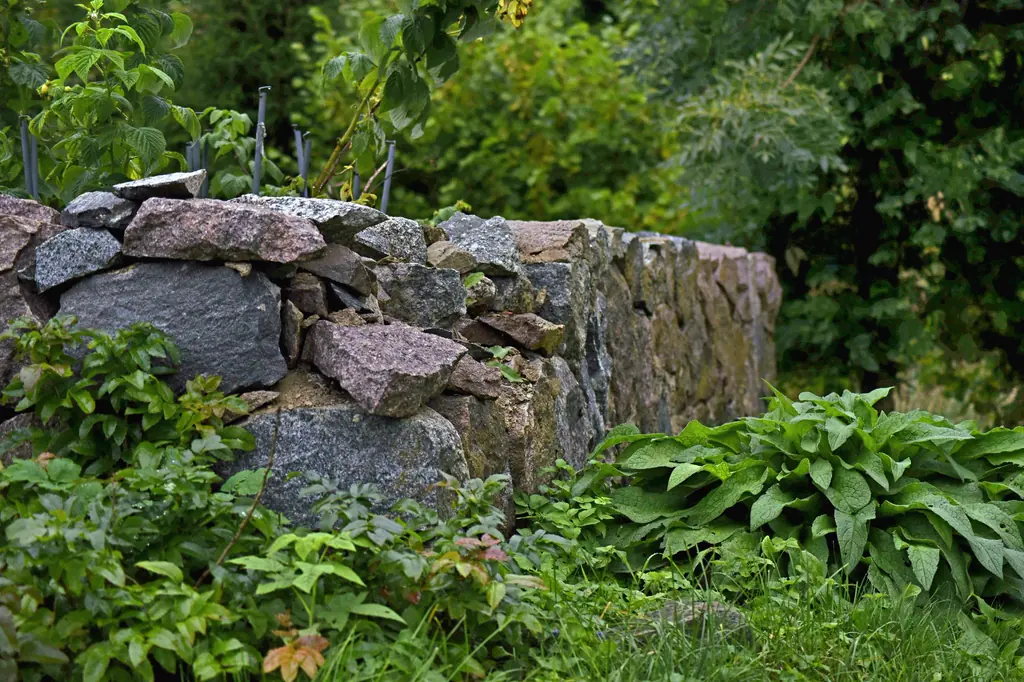
This page is about repairing existing, older stonework. For new stone or stone veneer, see stone masonry and installation. For poured or block foundations with flaking parging, see foundation parging.
What stone restoration covers
Restoration means repairing existing stonework so it keeps working and keeps its character, rather than covering it over or replacing it. In Greater Moncton that usually means:
- Fieldstone and rubble foundations under older houses and barns, where mortar has washed out and stones have shifted
- Sandstone on older buildings, sills, steps and walls, where the surface has flaked or eroded
- Stone steps and landings that have heaved, tilted or come loose
- Stone garden and boundary walls, mortared or dry-laid, that have bulged or partly collapsed
- Stone chimneys and fireplaces on older homes and cottages
Common problems with old stone
- Washed-out joints
- Lime mortar slowly erodes as designed. Once the joints are deep, water runs into the wall core and stones can loosen.
- Cement repairs
- Earlier patches in hard Portland cement mortar trap moisture and are stiffer than the stone, which can crack or flake the stone around them. This is especially damaging to sandstone.
- Delamination
- Sandstone is layered. When water gets in along the bedding planes and freezes, the face peels off in sheets, especially if the stone was laid with its layers vertical.
- Frost heave
- Steps, walls and shallow foundations on wet soil lift and drop with frost each year and gradually move out of line.
- Bulging
- In rubble walls and foundations, a weak core or soil pressure can push the face outward.
- Damp basements
- Stone foundations were never fully waterproof. Open joints, poor grading and blocked drains make dampness worse.
Why we use lime mortar on old stone
Older stone buildings were built with lime mortar, which is softer and more breathable than modern cement mortar. It lets moisture move out through the joints rather than the stone, and it can flex slightly as a wall moves with the seasons. Small cracks in lime mortar can even partly heal as the lime reacts with air and water.
Repairing old stone with hard cement mortar reverses that. The joints stop breathing, moisture moves out through the stone instead, and the stone takes the damage. That’s why stone restoration usually uses lime putty or natural hydraulic lime (NHL) mortars, chosen to suit the stone and how exposed the wall is. A softer NHL suits sheltered walls; a stronger one suits exposed walls and copings.
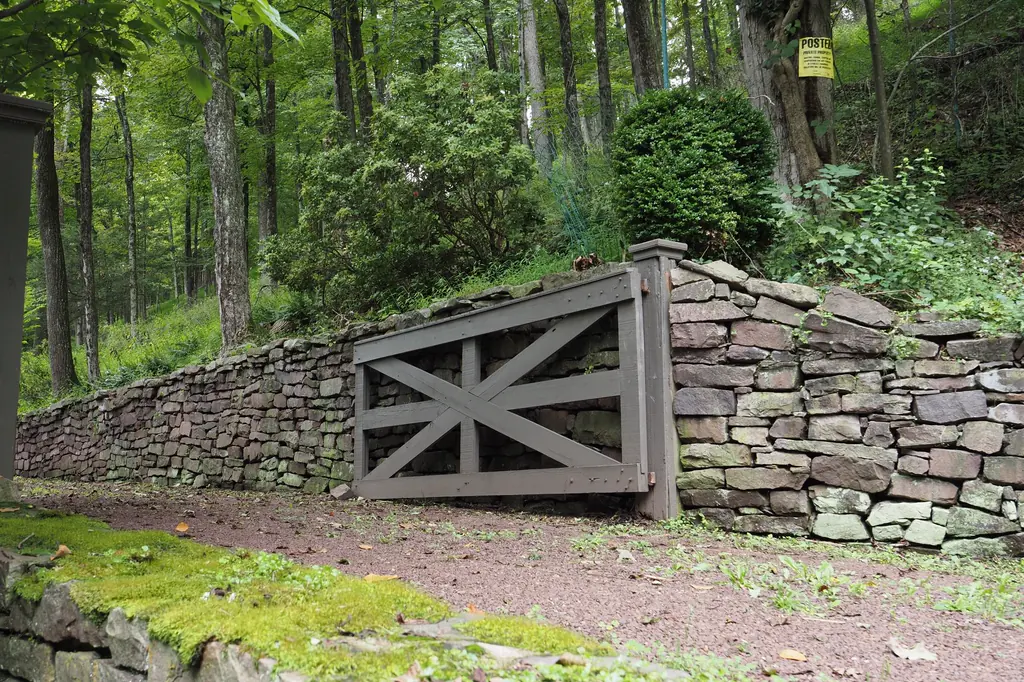
Restoration methods
Repointing in lime
Failing joints and old cement patches are carefully removed by hand where possible, so stone edges aren’t damaged, then repointed in a matched lime mortar.
Resetting stones
Loose or displaced stones are taken out, the bed cleaned and the stones reset. On steps and landings, the base is rebuilt with compacted granular fill and proper drainage before the stone goes back.
Rebuilding sections
Bulged or collapsed sections are taken down, with stones numbered or photographed where the pattern matters, and rebuilt on a sound base, reusing the original stone.
Stone repair and replacement
Badly decayed stones are replaced with a matching stone, or cut back and repaired with a compatible repair mortar. Sandstone is reset with its layers horizontal where possible, as it lay in the ground.
Foundation repairs
Fieldstone foundations are repointed inside and out, and voids are filled. We also look at grading, downspouts and drainage, because a foundation that stays wet will keep losing mortar.
Old stone foundation or wall coming apart? We’ll look at what’s causing it before suggesting a fix.
Call (506) 406-6730Send detailsOld stonework around Moncton
Fieldstone and rubble foundations are common under older farmhouses and village homes in Salisbury, Memramcook, Hillsborough and the rural areas around Moncton, and under some of the oldest houses in the city itself. Most were laid in lime mortar, and many have since been patched or parged in hard cement, which is usually the first thing we have to undo.
Maritime sandstone, in reds and greys, shows up on older sills, steps and walls across the region. It is soft and layered, so it suffers most from cement repairs and from being splashed with salt.
What affects the cost
- Condition: repointing only, or resetting and rebuilding
- Old cement patches to cut out, which is slow, careful work
- Stone type and matching, especially for sandstone
- Mortar: lime mortars cost more and need longer curing and protection
- Access: crawlspaces, basements and tight sites
- Drainage work needed to protect the repair
Stone restoration questions
Can a fieldstone foundation be saved?
Very often, yes. Many stone foundations around Moncton have stood for a century or more. Repointing, resetting loose stones and improving drainage can keep them sound. Major bulging or movement may need an engineer’s assessment.
Should I parge over my stone foundation?
A breathable lime parge can be appropriate on a stone foundation. A hard cement parge over stone often traps moisture and falls off, so we usually repoint the stone or use a lime-based finish.
Why is lime work slower?
Lime mortar sets more slowly than cement and has to be kept damp and protected from frost and fast drying for longer. It is also less forgiving in cold weather, so lime work is best done from late spring to early fall.
Do you work on heritage properties?
Yes. If your building is designated or in a heritage area, there may be rules about materials and methods. We can work with the requirements and provide details on the mortar and methods we propose.
Got a masonry problem? Let’s take a look.
Call to describe the job, or send the form and we’ll call you back. Quotes are free and in writing.
(506) 406-6730- Free on-site look and a written quote
- We explain the cause, not just the symptom
- Moncton, Dieppe, Riverview, Shediac and area