Brick pointing and repointing in Moncton
Mortar joints wear out long before good brick does. Repointing means raking out the old, failing mortar to a sound depth and packing in new mortar, so the joints shed water again and the brick around them is protected.
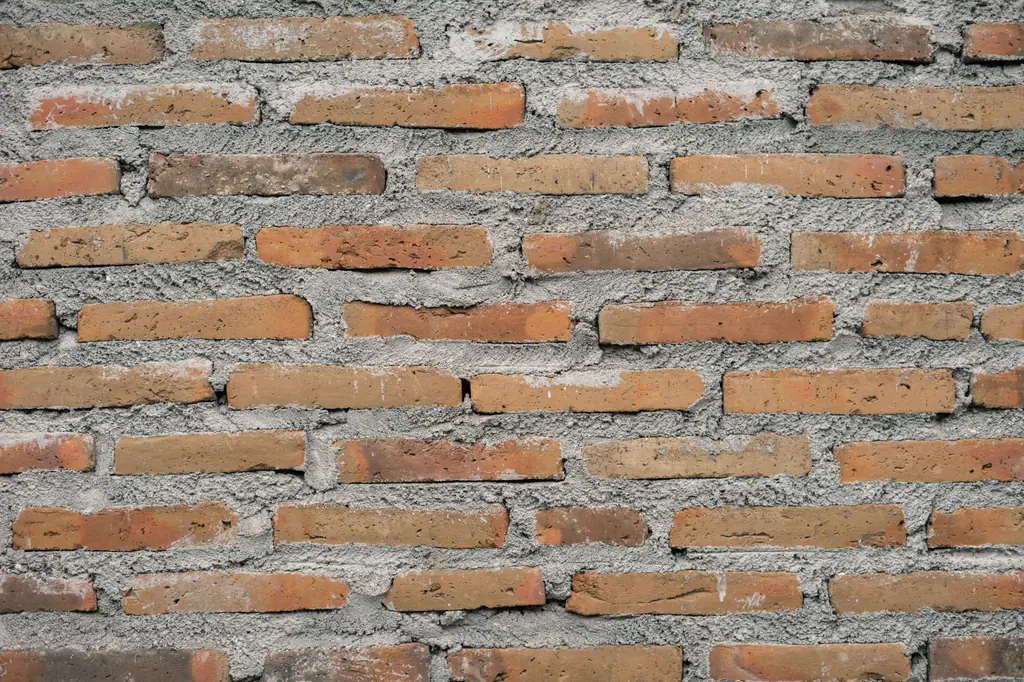
This page is about the mortar joints. If the bricks themselves are cracked, flaking or loose, see brick repair and replacement; most older walls need a bit of both. For stone walls and foundations laid in lime, see stone restoration.
What repointing is
Repointing (some people call it tuckpointing, though strictly tuckpointing is a decorative finish with a contrasting line of mortar) is the renewal of mortar joints in a brick or stone wall. The old mortar is removed to a consistent depth, the joints are cleaned and dampened, and new mortar is packed in, usually in layers, then tooled to the right profile.
Done well, repointing is one of the best-value repairs on a masonry building. The mortar is designed to be the part that wears. Renewing it every few decades keeps water out of the wall and saves the brick, which is far harder and more expensive to replace.
Signs your joints need repointing
- Mortar that is sandy and crumbles when you scrape it with a key or screwdriver
- Joints that have eroded back from the face of the brick, especially by more than about 6 mm
- Hairline cracks along the joints, or gaps where mortar has fallen out
- Plants, moss or dark staining growing from the joints
- Damp patches inside, near an exterior wall, after heavy rain
- Loose bricks at the top of a wall, a parapet or a chimney
Repointing is often needed in patches rather than across the whole house. The weather side of a building, chimneys, parapets, the bottom few courses and areas under leaking gutters usually wear first. In Greater Moncton, the walls that face the prevailing wind-driven rain tend to go first.
Why the right mortar matters
The biggest mistake in repointing is using mortar that is too hard. Modern Portland cement mortars are strong and dense. On a modern hard brick that’s fine. On older, softer brick, a hard joint can’t flex and won’t let moisture out, so the stresses from freezing and movement go through the brick instead. The result is cracked or spalled brick edges along the new joints, often within a few winters.
A good repointing mortar should:
- Be weaker and more vapour-permeable than the brick, so the joint is the part that wears
- Be compatible with the original mortar in makeup, so old and new behave the same way
- Match the colour and texture of the existing joints, using the right sand and pigment
For most post-war and modern brick homes in Riverview and Dieppe, a standard Type N mortar works well. For older brick and anything built before about the 1930s, we typically use a lime-rich mortar or a natural hydraulic lime mix. Canadian mortar types are defined in CSA A179.
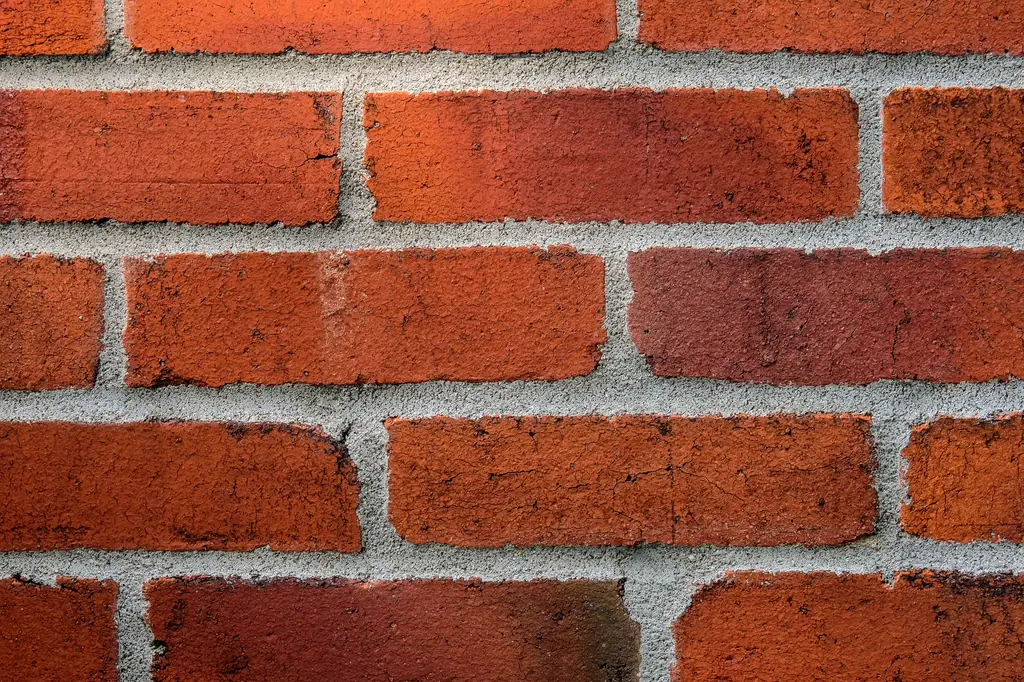
How we repoint a wall
- Assess. We check the mortar type, the brick hardness and the cause of the wear, such as a gutter or a missing cap.
- Rake out. Old mortar is removed to a depth of about two to two and a half times the joint width, typically around 15 to 25 mm, down to sound material. Joints are cut carefully so brick edges aren’t chipped or widened.
- Clean and dampen. Dust is blown or washed out, and the joints are dampened so the brick doesn’t pull water out of the new mortar too fast.
- Pack in layers. Deep joints are filled in layers, each one firmed up before the next, to avoid voids and shrinkage cracks.
- Tool. When the mortar is thumbprint-hard, joints are tooled to match the existing profile: concave, V, flush or raked.
- Cure and clean. The wall is kept damp and shaded as needed, protected from frost, and brushed clean once the mortar has set.
Not sure if it’s the whole wall or a few patches? We’ll show you which joints are failing and which are still sound.
Call (506) 406-6730Send detailsRepointing and Moncton weather
Mortar gains strength through a chemical reaction that needs water and warmth. Canadian masonry practice (CSA A371) calls for cold-weather measures once the air drops below about 4 °C, and new mortar must not freeze in its first 24 to 48 hours. Freezing in that window can leave joints weak and crumbly for good. In Greater Moncton that puts most exterior repointing between about May and October.
Heat is a problem too. On hot, sunny or windy days, the brick pulls water out of fresh joints before the mortar has set, so we work in the shade where we can and mist the joints while they cure. Lime mortars set more slowly than cement mortars and need several days of protection from frost and fast drying, so lime work is kept to the warmer months. If a wall is letting water in during the off-season, a temporary fix can often hold it until spring.
Repointing on Moncton-area houses
Many brick bungalows and two-storeys in Moncton’s older neighbourhoods and in Riverview date from the decades after the Second World War. Their original joints have now taken well over half a century of Atlantic winters, and the exposed parts (chimneys, the tops of walls, the sides that face storm winds) are often due for repointing even when the rest of the house looks fine.
Newer brick-front homes in Dieppe and Moncton’s north end rarely need full repointing yet. What we see there is local: cracked joints over windows, joints washed out under a leaking gutter, and joints opened up where the house has settled.
What affects the cost
- Area: one chimney, one wall, or the whole house
- Joint width and depth: narrow joints in hard mortar take longer to rake out cleanly
- Mortar type: lime and custom-matched mortars cost more in material and time
- Access: scaffolding or lift work for second storeys, gables and chimneys
- Brick condition: spalled bricks found during raking may need replacing at the same time
Repointing questions
How long does repointing last?
Well-done repointing with the right mortar commonly lasts several decades. How long depends on exposure: a sheltered wall lasts much longer than a chimney top or a wall facing driving rain.
Can you just fill over the old mortar?
Spreading new mortar over old joints without raking them out doesn’t bond well. It tends to crack and fall off within a season or two and can trap water behind it. Proper repointing removes the failing mortar first.
Will repointing change how my house looks?
It shouldn’t, beyond looking tidier. We match the mortar colour and the joint profile to what’s there. Fresh joints look slightly different at first and blend in as they weather.
Is caulking a good alternative?
No. Caulk in mortar joints traps moisture, looks out of place and breaks down in UV and cold. Caulk belongs where masonry meets windows and doors, not in brick joints.
Got a masonry problem? Let’s take a look.
Call to describe the job, or send the form and we’ll call you back. Quotes are free and in writing.
(506) 406-6730- Free on-site look and a written quote
- We explain the cause, not just the symptom
- Moncton, Dieppe, Riverview, Shediac and area